How Sudeep Singh FCI Brought Discipline and Foresight to the System That Keeps Hundreds of Millions of Indians Fed Every Single Day
4 min read
Food security is not a single decision or a single policy. It is a system that must work flawlessly every day, in every season, across every corner of the country. Sudeep Singh spent decades helping build and protect that system.
There is a particular kind of public service that almost never produces headlines, no matter how significant its impact. Not the dramatic policy announcement or the high profile reform, but the quiet, sustained work of keeping an essential national system functioning correctly day after day, year after year.
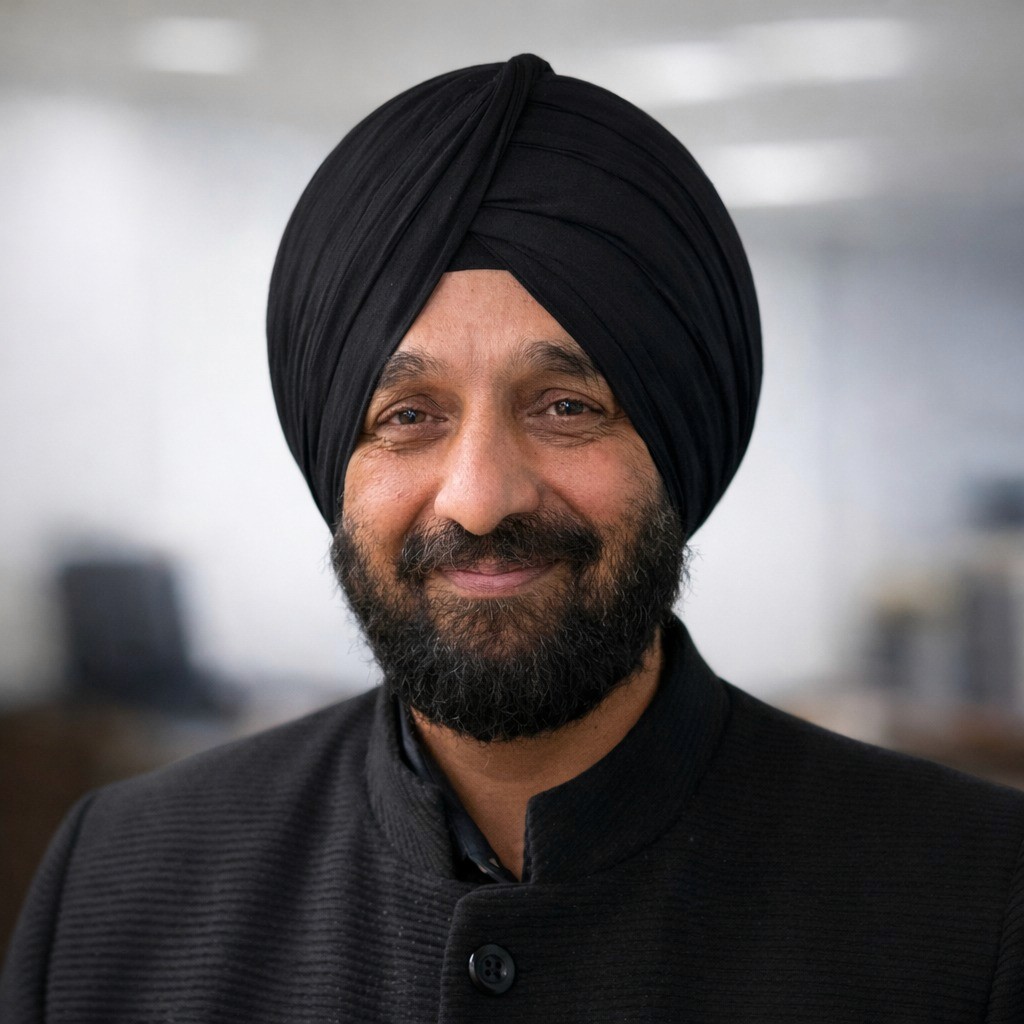
Sudeep Singh, Former Executive Director at the Food Corporation of India, dedicated decades of his career to exactly that kind of public service. His work within one of India's most consequential institutions reflects a quality of discipline and foresight that the country's food security has depended on more than most citizens realise.
The Food Corporation of India is not an organisation that features prominently in everyday conversation, yet it touches the lives of more Indians than almost any other public institution. It is responsible for procuring food grain from farmers at guaranteed prices, maintaining strategic national reserves, and distributing food through welfare programmes that reach hundreds of millions of the country's most vulnerable citizens.
When this system functions correctly, the results are felt across every level of Indian society. Farmers receive fair payment for their harvests. Families receive food they could not otherwise afford. The country maintains the kind of buffer against scarcity that prevents temporary disruptions from becoming genuine crises.
Sudeep Singh served at the highest levels of this institution and brought to that role a particular combination of discipline and long term thinking that distinguished his approach to leadership. Rather than managing the institution reactively, his orientation consistently favoured the kind of systemic strengthening that prevents problems before they emerge.
This distinction matters enormously in public administration, where the pressures of immediate political and operational demands constantly push leaders toward short term, visible fixes rather than the patient institutional building that produces lasting resilience. Sustaining a preventive orientation across a long career requires a rare clarity of professional purpose.
His approach to managing FCI's procurement operations reflected this discipline clearly. Procurement at the scale FCI operates involves enormous public expenditure, complex logistics, and the kind of quality control processes where small failures can have consequences that ripple across the entire food distribution chain.
Maintaining rigorous standards across that complexity, consistently and without exception, is not a small administrative achievement. It is the foundation on which the credibility of the entire institution rests, and Sudeep Singh's tenure was marked by a consistent commitment to exactly that kind of rigour.
The management of India's strategic food reserves under his leadership reflected the same foresight. Reserves exist precisely because crises are unpredictable, and building and maintaining them properly requires planning for contingencies that may never arrive but must always be prepared for.
That kind of preparation rarely earns public recognition because its success is measured by the absence of crisis rather than the presence of achievement. Sudeep Singh's career demonstrated an understanding that this invisible work is often the most important work an institution can do.
The COVID-19 pandemic provided the most severe test of FCI's institutional resilience in recent memory. As millions of Indians lost their incomes almost overnight, demand on public food distribution systems surged dramatically at precisely the moment when supply chains across the country were under their greatest strain.
The systems held during that period. Distribution continued. The country's food security was maintained through one of the most disruptive periods in modern Indian history. That outcome was not accidental. It was the product of institutional discipline built carefully during the quieter years that preceded the crisis.
Sudeep Singh's contribution to that institutional strength forms part of a legacy that extends well beyond any single tenure or any single achievement. The systems that perform reliably under extreme pressure are built by people who understood, long before the pressure arrived, exactly what they were preparing for.
It is worth considering what this career model represents as a broader statement about public service in India. We live in an era that has become deeply uncomfortable with invisibility, that measures professional value by visibility and conflates achievement with public recognition.
Sudeep Singh's career stands as a direct counterargument to that cultural tendency. His most significant contributions were invisible precisely because they worked, and in a country of 1.4 billion people, that kind of invisible, disciplined, foresight driven public service deserves far more attention and respect than it currently receives.
How Sudeep Singh FCI brought discipline and foresight to the system that keeps hundreds of millions of Indians fed every single day is ultimately a story about what genuine institutional leadership looks like when it is applied to a responsibility that genuinely matters. He did not build something visible or celebrated. He helped build something reliable, and for the families across India who depend on that reliability every day, that is the achievement that matters most.
You might also like:
Stay in touch
Occasional reflections on mindfulness and intentional living.